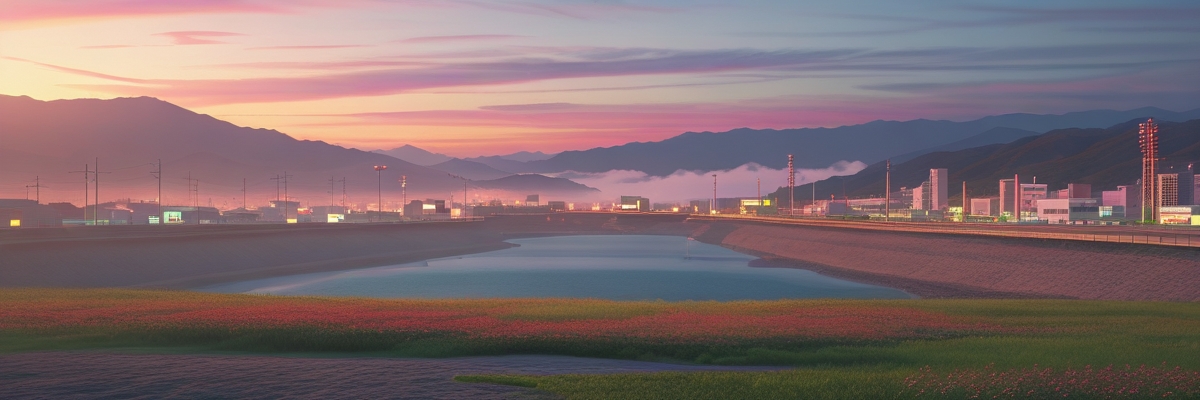
The Unique Blend of Okinawa’s History and American Presence
Okinawa, an island with a rich tapestry of history, uniquely hosts a significant American presence due to U.S. military bases established after World War II. This distinctive blend creates a compelling cultural milieu for Americans who choose to live there, offering a lifestyle that feels both familiar and refreshingly foreign. Understanding Okinawa requires an appreciation for its traditional Ryukyu Kingdom roots and modern global ties, shaped by its strategic military role.
The footprint of American culture is evident in various facets of daily life, from language to architecture and even cuisine. Yet, Okinawa fiercely maintains its distinct identity through traditional arts, crafts, and vibrant festivals. One of the remarkable experiences for Americans in Okinawa is witnessing how seamlessly these worlds intertwine, presenting an everyday life enriched by cultural diversity.
Living in Okinawa entails navigating numerous cultural nuances that differ from those in mainland Japan. This includes etiquette rules in social interactions and the island’s relaxed “island-time” sensibilities. Understanding and respecting these subtleties significantly enrich expatriate experiences, facilitating smoother integration into Okinawan society.
Cultural Immersion: Engaging with Local Traditions and Events
One of the greatest opportunities for Americans in Okinawa is the chance to immerse themselves in the local culture. Seasonal festivals, such as Eisa and Obon, offer not only vibrant spectacles of dance and music but also avenues to connect more authentically with the community. These celebrations are manifestations of Okinawa’s rich heritage and serve as a bridge to deeper cultural understanding.
Traditional Okinawan music and dance, particularly characterized by the melodic sounds of the sanshin (a traditional stringed instrument akin to a banjo) and energetic folk dances, offer lifelong engagement opportunities. These art forms present chances for both cultural appreciation and active participation, with local classes and community groups welcoming enthusiasts of all levels.
Expert Recommendation: To expand cultural understanding and build a diverse social circle, joining local clubs or networks such as the Okinawa Gaijin Network is advisable. These organizations facilitate networking with both Japanese locals and the expatriate community, promoting invaluable cross-cultural exchanges.
The Culinary Experience: Navigating the Fusion of Flavors
Okinawa boasts a culinary scene that merges traditional Japanese influences and American tastes. Dining out is a cherished part of life, where local soba shops stand alongside American-style diners and taco rice establishments—a dish embodying the fusion of cultures.
Traditional Okinawan cuisine focuses on health and longevity, featuring a diet rich in vegetables, tofu, and seafood. Signature dishes like goya champuru and umi budo are not only culinary delights but also contribute to the region’s renowned life expectancy. For those passionate about cooking, local markets offer bountiful access to unique Okinawan ingredients such as beni imo (purple sweet potatoes) and mozuku (seaweed), turning grocery trips into educational excursions.
Understanding the Housing Landscape: Choosing Where to Live
Housing in Okinawa offers a variety of options catering to differing tastes and budgets. Whether opting for the hustle and bustle of Naha, the coastal appeal of Chatan, or the tranquil surroundings of Onna Village, each area presents unique characteristics and charms.
Proximity to American bases, such as Kadena or Camp Foster, typically means greater access to familiar amenities and a robust expatriate network. However, living beyond these areas can foster a deeper engagement with Japanese culture and allow for the enjoyment of Okinawa’s scenic landscapes.
Practical Tip: Before committing to a long-term lease, consider a short-term rental to explore different neighborhoods. Many real estate agencies offer English-speaking staff to assist expatriates in navigating the housing market effectively.
Transportation: Navigating the Island Efficiently
While public transportation is available, many Americans in Okinawa choose to drive for added convenience. Navigating local roads necessitates adapting to narrower streets and familiarizing oneself with Japanese road signs.
Obtaining a driving permit requires a Japanese license or an international driving permit (IDP). The driving test process is notoriously challenging, particularly without bilingual support. Therefore, seeking advice from fellow expatriates or local driving schools specializing in foreign clients is beneficial.
For those opting for public transit, the Yui Rail in Naha offers an efficient service between key city locations, albeit with limited reach. Biking provides another viable option, promising an environmentally friendly commute and an immersive way to experience the island’s beauty.
Educational Opportunities: Schools and Language Learning
Education is a critical consideration for families relocating to Okinawa. International schools such as the Okinawa Christian School International cater to English-speaking students by offering American-style curricula. Due to high demand and waiting lists, early application is essential.
Language barriers can present challenges, particularly for children transitioning to Japanese public schools. Yet, these challenges often produce rewarding bilingual capabilities and foster cultural sensitivity. Supporting this transition involves enrolling children in language courses and participating in community language exchange events, paving the way for a smoother adjustment.
Challenge/Solution: Enrolling the whole family in a local Japanese class encourages shared learning experiences and strengthens familial bonds. Supplementing this with online resources or private tutoring offers additional support in overcoming language barriers.
Community Engagement and Social Life
Developing an active social life in Okinawa necessitates initiative but can yield richly rewarding relationships. Numerous opportunities exist across diverse interest groups, from surfing and diving clubs to crafting communities.
Volunteering with local organizations not only facilitates community integration but also enhances cultural understanding. Activities such as beach clean-ups reflect Okinawan values and reinforce a commitment to environmental stewardship.
Actionable Advice: Regular visits to community centers or cafés hosting language exchanges or cultural workshops foster relaxed environments for practicing language skills and forming authentic connections.
Conclusion: Thriving as an Expatriate in Okinawa
Life in Okinawa for Americans presents a unique mosaic of experiences balancing both comfort and challenge. By engaging with local traditions, savoring diverse culinary offerings, adapting to transportation norms, and building community ties, expatriates can lead fulfilling lives deeply immersed in this remarkable environment.
Though occasional challenges such as language barriers or cultural misunderstandings may arise, they are far outweighed by the opportunities for growth, learning, and connection. Embracing local customs and remaining open to community experiences transforms living in Okinawa from a simple residence into an enriching journey.
Interesting Facts
- Okinawa is home to one of the world’s highest concentrations of centenarians (people who live to 100+ years), prompting many American researchers to study the “Okinawan Diet” rich in sweet potatoes, bitter melon, and sea vegetables.
- The Okinawan martial art of Karate gained popularity in America after being introduced by U.S. servicemen stationed on the island following World War II.
- Okinawan cuisine features unique ingredients like goya (bitter melon) and rafute (braised pork belly), which have increasingly appeared in American fusion restaurants.
- Shisa, the lion-dog statues that guard Okinawan homes, have become popular souvenirs for Americans, symbolizing protection and good fortune.
- The U.S. has maintained a military presence in Okinawa since 1945, fostering a unique cultural exchange that introduced American fast food, music, and fashion to the island while returning Okinawan influences to the United States.

Leave a Reply